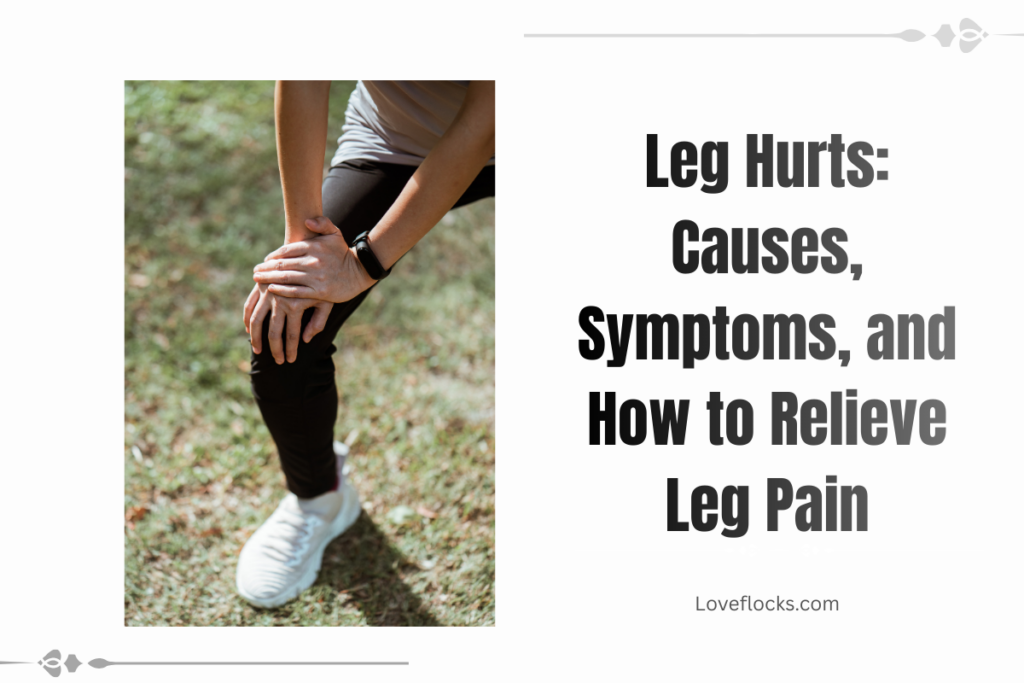
Experiencing leg pain is one of the most common complaints worldwide, affecting people of all ages and lifestyles. Whether it’s a dull ache after a long day, a sharp pain from a sports injury, or persistent discomfort due to an underlying medical condition, leg pain can significantly impact daily life, mobility, and quality of life. The legs are vital for movement, stability, and carrying the body’s weight, which means that even mild pain can make walking, standing, exercising, or completing daily tasks challenging.
This guide will explore the common causes of leg pain, the warning signs that require attention, effective treatment strategies, preventive practices, and practical tips for daily life. By the end, you will have a comprehensive understanding of why your leg hurts, how to respond, and how to take proactive steps to maintain optimal leg health.
Common Causes of Leg Pain
Leg pain can originate from a variety of sources, ranging from temporary muscle fatigue to serious medical conditions. Here are the most common causes, explained in detail:
Muscle Strain or Overuse – Activities such as running, jumping, or standing for long periods can lead to minor tears or fatigue in the leg muscles. Over time, repeated stress without adequate rest can cause persistent soreness, stiffness, and discomfort.
Injuries – Accidents, falls, or sports-related incidents can lead to sprains, ligament tears, tendon injuries, or even fractures. These injuries often cause sudden, sharp pain, swelling, bruising, and difficulty moving the leg.
Poor Circulation – Conditions like peripheral artery disease (PAD) or varicose veins can reduce blood flow, leading to cramping, heaviness, or fatigue in the legs. Reduced circulation can also increase the risk of swelling and ulcers.
Nerve Problems – Issues such as sciatica, herniated discs, or nerve compression can cause pain that radiates from the lower back into the legs. Symptoms may include burning, tingling, numbness, or sharp shooting pain down one or both legs.
Blood Clots (Deep Vein Thrombosis) – DVT is a serious condition where a clot forms in a deep vein, usually in the calf. Symptoms include sudden swelling, warmth, redness, and pain, which may worsen when standing or walking. Immediate medical attention is required to prevent life-threatening complications like pulmonary embolism.
Joint Conditions – Osteoarthritis, rheumatoid arthritis, or bursitis can affect the knees, hips, or ankles, leading to chronic pain, stiffness, and reduced mobility.
Lifestyle Factors – Sedentary behavior, prolonged sitting, standing for long periods, or carrying excess weight places extra stress on the legs, leading to fatigue, soreness, and discomfort over time.
Age-Related Changes – As we age, muscles and joints naturally weaken, cartilage wears down, and circulation decreases. This makes older adults more susceptible to chronic leg pain, joint stiffness, and mobility limitations.
By understanding these causes, you can better identify the reason your leg hurts and determine whether home remedies, lifestyle changes, or medical intervention is needed.
Symptoms to Recognize and Monitor
Leg pain can manifest in different ways depending on the cause. Monitoring symptoms helps distinguish between minor, temporary issues and potentially serious medical conditions. Key symptoms include:
Aching or throbbing pain – Often related to muscle fatigue or overuse.
Sharp or stabbing pain – May indicate a sudden injury, strain, or nerve involvement.
Persistent or worsening pain – Pain that does not improve after rest could signal an underlying problem.
Swelling and redness – Could indicate injury, inflammation, infection, or blood clots.
Warmth or tenderness – May accompany infections, DVT, or inflammatory conditions.
Numbness, tingling, or weakness – Often a sign of nerve compression or neuropathy.
Limited range of motion – Difficulty bending, stretching, or moving the leg may indicate joint, muscle, or tendon problems.
Early recognition of these symptoms is vital. Persistent, severe, or unusual leg pain should prompt consultation with a healthcare professional, particularly if accompanied by swelling, redness, warmth, or sudden onset.
Effective Ways to Relieve Leg Pain
There are several strategies to relieve leg pain safely and effectively, depending on the cause:
Rest and Elevation – Reduce activity, elevate the leg above heart level, and avoid movements that worsen pain.
Cold Therapy for Acute Pain – Ice packs applied for 15–20 minutes several times a day help reduce inflammation, swelling, and soreness from injuries or overuse.
Heat Therapy for Muscle Tightness – Warm compresses, heating pads, or warm baths relax tight muscles, improve circulation, and alleviate stiffness.
Gentle Stretching and Mobility Exercises – Hamstring, calf, and quadriceps stretches relieve tension, improve flexibility, and enhance circulation.
Compression Socks or Bandages – Support veins, reduce swelling, and improve blood flow, particularly in cases of poor circulation or long periods of standing.
Over-the-Counter Pain Relief – Anti-inflammatory medications (like ibuprofen) or topical creams can temporarily ease discomfort.
Hydration and Proper Nutrition – Staying hydrated and maintaining adequate electrolytes helps prevent cramps and supports muscle recovery.
Physical Therapy – For chronic pain, injuries, or nerve issues, targeted therapy restores strength, flexibility, and proper function.
Lifestyle Modifications – Avoid prolonged sitting, take breaks to move around, maintain a healthy weight, and wear supportive footwear.
Medical Evaluation – Persistent, severe, or unexplained leg pain should always be evaluated to rule out serious conditions like blood clots, nerve damage, or infections.
Preventing Leg Pain for Long-Term Leg Health
Prevention is always better than cure. The following strategies reduce the risk of leg pain and support long-term leg health:
Strengthening Exercises – Squats, lunges, hamstring curls, and calf raises improve muscle support and joint stability.
Regular Stretching – Stretching before and after physical activity keeps muscles flexible and prevents tightness.
Proper Footwear – Shoes with good arch and heel support reduce strain on muscles, joints, and ligaments.
Healthy Weight Management – Less pressure on legs decreases risk of chronic pain, fatigue, and joint stress.
Frequent Movement – Avoid sitting or standing for prolonged periods; take breaks to walk or stretch.
Balanced Nutrition – Vitamins, minerals, and hydration support muscle, nerve, and bone health.
Good Posture – Proper alignment during activity reduces unnecessary stress on muscles and joints.
Routine Checkups – Especially for older adults, regular medical assessments can detect circulatory, joint, or nerve issues early.
20 Tips for Managing Leg Pain, [current_date]
1. Rest your legs when sore
Allow muscles and joints to recover to prevent worsening pain or injury.
2. Elevate legs above heart level
Helps reduce swelling and improve blood flow for faster relief.
3. Apply ice for acute injuries
Reduces inflammation and numbs pain in sore areas.
4. Use heat for tight muscles
Relaxes muscles and promotes circulation, especially for chronic stiffness.
5. Stretch daily
Improves flexibility, reduces tension, and prevents cramps or strains.
6. Wear supportive footwear
Prevents misalignment and reduces pressure on joints and muscles.
7. Strengthen leg muscles regularly
Builds resilience, supports joints, and reduces fatigue.
8. Avoid prolonged sitting or standing
Move frequently to improve circulation and prevent stiffness.
9. Stay hydrated
Prevents muscle cramps and supports overall leg health.
10. Massage sore areas
Promotes blood flow and relieves tension in tight muscles.
11. Monitor for swelling or redness
Early detection of serious conditions like blood clots is crucial.
12. Avoid overexertion
Gradually increase activity levels to prevent injury and fatigue.
13. Consider compression socks or wraps
Supports veins and improves circulation for long periods of standing or sitting.
14. Practice good posture
Reduces stress on leg muscles, joints, and spine.
15. Use over-the-counter pain relief if needed
Temporary relief from soreness or inflammation can help manage discomfort.
16. Incorporate low-impact exercises
Walking, cycling, or swimming strengthens legs without overloading joints.
17. Maintain a healthy diet
Supports muscle repair, nerve health, and bone strength.
18. Listen to your body
Stop activity if pain is severe or unusual, preventing further damage.
19. Schedule regular checkups
Early detection of vascular, nerve, or joint issues ensures better outcomes.
20. Seek professional help for persistent pain
Consult a doctor or physiotherapist to identify the cause and receive proper treatment.
Conclusion
Leg pain is a complex issue that can significantly impact daily life, mobility, and overall well-being. It can result from temporary strain or overuse, but it can also indicate serious medical conditions such as blood clots, nerve compression, or joint disease. Understanding the cause of leg pain, recognizing warning signs, and implementing relief strategies is essential for maintaining strong, healthy legs and preventing long-term complications.
The legs are fundamental to movement, posture, and stability. Taking care of them through strengthening exercises, stretching, proper footwear, hydration, nutrition, and lifestyle adjustments ensures that they remain functional, resilient, and pain-free. In cases of persistent or severe pain, medical evaluation is crucial to prevent complications and address underlying conditions effectively.
Preventive measures, combined with proper treatment and daily habits, can dramatically reduce the risk of injury, chronic pain, and mobility limitations. By proactively caring for your legs, you maintain independence, physical performance, and the ability to enjoy an active lifestyle. Leg health is a cornerstone of overall wellness, and addressing leg pain early allows you to stay strong, mobile, and confident, supporting your body for years to come.
Ultimately, understanding why your leg hurts, taking timely action, and adopting consistent preventive strategies empowers you to achieve long-term leg health, enhanced performance, and freedom from discomfort. Strong legs are not just about movement—they are about independence, vitality, and the ability to fully engage in life without pain holding you back.