The leg curl machine is one of the most effective tools for isolating and strengthening the hamstrings, the large muscles at the back of the thigh. While compound movements like squats and deadlifts are excellent for overall leg development, they often place more emphasis on the quadriceps, glutes, and lower back. Many people overlook the hamstrings, which play a critical role in knee stability, hip extension, and explosive lower-body movements. Neglecting hamstrings can lead to muscle imbalances, decreased athletic performance, postural issues, and increased risk of injury.
In addition, the leg curl machine offers safety and consistency that free-weight exercises sometimes lack. The guided path of the machine reduces the chance of improper form or joint strain, making it ideal for beginners, intermediate lifters, and even athletes recovering from injury. Incorporating leg curl exercises into a routine ensures balanced leg development, prevents injury, and promotes overall lower-body resilience.
Understanding Hamstring Anatomy and Its Importance
The hamstrings are a group of three muscles that work together to control knee flexion, hip extension, and overall lower-body stability:
Biceps Femoris – This muscle controls knee bending and contributes to hip extension, which is vital for running, jumping, and powerful leg movements.
Semitendinosus – Works with the other hamstring muscles to flex the knee, extend the hip, and stabilize the thigh during walking or running.
Semimembranosus – Supports joint stability, knee flexion, and assists with controlling motion during rapid or high-intensity activity.
The hamstrings not only provide strength but also serve a protective function for the knee joint, preventing overextension and reducing the risk of ligament injuries, particularly the ACL. Weak or underdeveloped hamstrings are often linked to postural problems, lower-back pain, and slower recovery from injuries. The leg curl machine ensures that each of these muscles is engaged, strengthened, and trained safely and effectively.
Types of Leg Curl Machine Exercises and Their Specific Benefits
The leg curl machine comes in several variations, each with unique benefits that target different aspects of hamstring function:
Lying Leg Curl Machine – Performed lying face down, this variation targets the hamstrings in a shortened position, emphasizing peak contraction. It’s particularly effective for hypertrophy and toning.
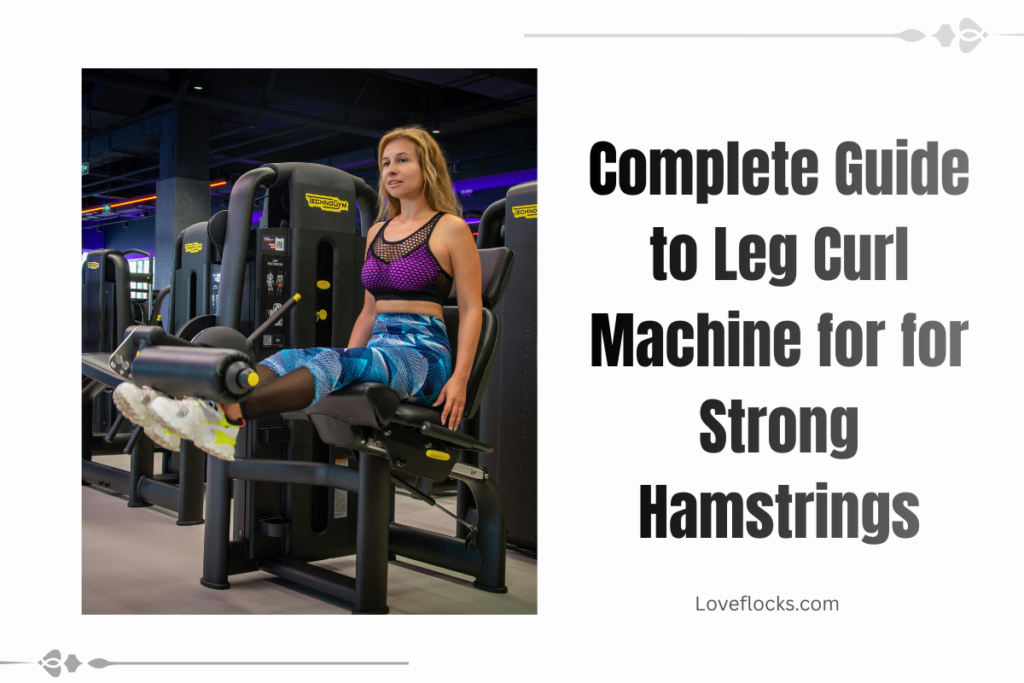
Seated Leg Curl Machine – This variation stretches the hamstrings at the start of the movement, strengthening them in a lengthened position. It reduces the risk of strain during dynamic activities like running or jumping.
Standing Leg Curl Machine – Usually a single-leg movement, it allows you to focus on each hamstring independently, correcting imbalances and improving coordination.
Using multiple variations in your routine ensures complete hamstring development. Combining seated and lying leg curls provides strength across the entire muscle length, while standing curls improve balance, coordination, and unilateral strength. Athletes benefit from including all variations, as strong hamstrings contribute to sprinting, jumping, agility, and injury prevention.
Proper Technique and Form for Safe and Effective Training
Correct form is critical when using the leg curl machine to maximize results and prevent injuries. Key steps include:
Adjusting the machine properly – Ensure your knees align with the pivot point of the machine and the lower leg pad rests comfortably just above the ankle.
Keeping hips and thighs stationary – Movement should come from the knees; avoid lifting hips or moving your torso, which reduces hamstring engagement.
Controlled motion – Curl your legs slowly toward your glutes, then lower the weight slowly. Avoid jerking or swinging.
Full range of motion – Ensure hamstrings are fully stretched at the beginning and fully contracted at the top.
Core engagement – Keep your abs tight to prevent strain on the lower back.
Beginners should start with lighter weights to perfect technique, while more advanced lifters can adjust the tempo, reps, and sets to increase strength, hypertrophy, or endurance.
Benefits of Using the Leg Curl Machine
Isolated Hamstring Strength – Builds strength specifically in the posterior thigh muscles.
Improved Knee Stability – Strong hamstrings protect the ACL and prevent hyperextension.
Enhanced Athletic Performance – Supports running, sprinting, jumping, and explosive movements.
Balanced Leg Development – Corrects imbalances between hamstrings and quadriceps.
Aesthetic Enhancement – Provides well-defined, sculpted hamstrings for improved leg appearance.
Injury Prevention – Reduces the risk of hamstring strains, ligament tears, and knee injuries.
Functional Fitness – Strengthens muscles that assist in daily activities, from walking to climbing stairs.
Common Mistakes to Avoid on the Leg Curl Machine
Using excessive weight, which compromises form.
Jerking or swinging the legs instead of controlled movement.
Not adjusting the machine for proper alignment.
Hyperextending the knees during the lowering phase.
Focusing on a single variation, which limits full hamstring development.
Neglecting warm-up and stretching increases injury risk.
Addressing these mistakes ensures maximum activation, balanced muscle growth, and safe training.
20 Expert Tips for the Leg Curl Machine, [current_date]
1. Always warm up first
Dynamic stretches or light cardio prepare your hamstrings and joints for exercise.
2. Adjust the machine carefully
Knees should align with the pivot and pads rest above the ankles for safety.
3. Begin with light weight
Focus on mastering proper form before adding resistance.
4. Perform slow, controlled reps
Engage the hamstrings fully without using momentum.
5. Keep your hips and torso stable
Prevents lower-back strain and isolates hamstrings effectively.
6. Maintain tension throughout the set
Do not let the weight drop suddenly; keep the muscles under constant tension.
7. Use multiple variations
Seated, lying, and standing curls ensure complete hamstring development.
8. Include unilateral movements
Focuses on correcting left-right imbalances and improving coordination.
9. Stretch post-workout
Reduces tightness, improves flexibility, and aids recovery.
10. Track weights, reps, and sets
Helps monitor progress and ensures gradual improvement.
11. Avoid locking knees at full extension
Maintains tension on hamstrings and protects joints.
12. Pair with compound leg exercises
Squats and deadlifts complement curls for a full lower-body routine.
13. Gradually increase resistance
Stimulates growth while maintaining proper form.
14. Focus on the mind-muscle connection
Consciously contracting hamstrings enhances results.
15. Rest 30–60 seconds between sets
Allows recovery without losing engagement in the muscles.
16. Control your breathing
Exhale while curling, inhale while lowering for stability.
17. Prepare joints with mobility work
Light leg swings and hip rotations reduce injury risk.
18. Train hamstrings 1–2 times per week
Consistency is key; avoid overtraining for best results.
19. Listen to your body
Stop if experiencing pain beyond normal exertion and adjust form or weight.
20. Combine with proper nutrition
Protein and nutrients support muscle repair, growth, and recovery.
Conclusion
The leg curl machine is far more than a simple piece of gym equipment—it is an essential tool for building balanced, strong, and resilient hamstrings, which are critical for overall lower-body health. While many fitness programs emphasize squats, lunges, or deadlifts, the hamstrings are often neglected. This oversight can lead to muscular imbalances, decreased athletic performance, postural issues, and even chronic injuries. The leg curl machine addresses this gap by allowing you to target the hamstrings in isolation, ensuring every part of the muscle group is strengthened, stretched, and conditioned for both performance and protection.
When used correctly, the leg curl machine offers a controlled, safe, and highly effective way to engage the hamstrings across their full range of motion. Lying, seated, and standing variations each contribute uniquely to hamstring development—strengthening muscles in both shortened and lengthened positions, correcting left-right imbalances, and improving neuromuscular coordination. Consistent use of the leg curl machine helps enhance knee stability, hip extension, and functional movement patterns. Strong hamstrings not only improve athletic capabilities such as sprinting, jumping, and agility but also support everyday activities, including walking, climbing stairs, and lifting objects safely.
In addition to performance benefits, the leg curl machine is a powerful preventive tool. Weak or underdeveloped hamstrings are a common contributor to ACL injuries, hamstring strains, and lower-back discomfort. By isolating these muscles, the leg curl machine strengthens connective tissue, improves flexibility, and reduces the risk of acute or overuse injuries. It also complements other lower-body exercises, creating a balanced posterior chain that supports both aesthetic and functional goals.
Proper form, progressive overload, and mind-muscle connection are critical to maximizing results on the leg curl machine. Small adjustments in posture, alignment, and tempo can dramatically influence outcomes, emphasizing hamstring activation while protecting joints from unnecessary strain. Additionally, pairing machine exercises with complementary compound movements, stretching routines, and adequate recovery ensures holistic development, improving not only strength but also mobility, endurance, and muscular coordination.
Ultimately, the leg curl machine empowers both beginners and advanced athletes to achieve comprehensive lower-body conditioning. It is an exercise that strengthens muscles, prevents injuries, enhances athletic performance, and contributes to long-term leg health. By committing to consistent training, integrating multiple variations, and focusing on proper technique, users can cultivate strong, functional hamstrings that support every aspect of movement, from everyday activities to high-performance sports.
For anyone seeking long-term results, enhanced performance, and durable lower-body strength, the leg curl machine is an indispensable addition to any training regimen. When combined with mindful nutrition, proper recovery, and a structured routine, it becomes a cornerstone of lower-body training—helping users achieve balanced strength, improved posture, and lower-body resilience that lasts a lifetime.