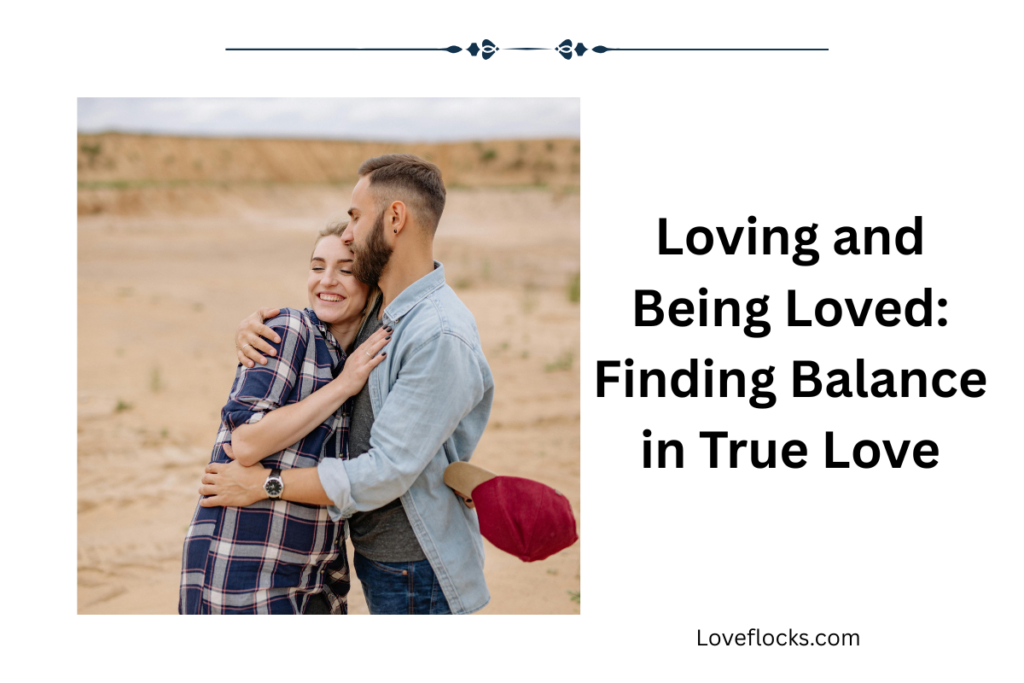
To love and to be loved are two of the most powerful experiences in human life. Loving allows us to give care, kindness, sacrifice, and connection to others. Being loved allows us to feel safe, valued, and accepted. When these two experiences exist together, they create emotional strength, confidence, and deep inner peace. When one is missing, the heart often feels unbalanced—either drained from giving too much or empty from receiving too little.
In faith, loving and being loved find their highest meaning. God loves first, teaching humanity what love truly looks like—patient, faithful, forgiving, and strong. When people understand that they are already loved by God, they can love others from a place of fullness rather than fear or desperation. Love becomes something shared, not something chased.
Learning this balance changes how people see themselves and others. Instead of asking, “Am I loved enough?” the heart begins to ask, “How can I love well while also receiving love with gratitude and trust?”
Why loving others gives life deeper meaning
Loving others gives purpose beyond self-interest. When people show kindness, compassion, and care, they create connections that bring joy and emotional richness. Love strengthens families, friendships, and communities, creating spaces where people feel supported and understood.
Giving love also reflects emotional maturity. It shows the ability to think beyond personal needs and invest in the well-being of others. Loving others often brings fulfillment because it reflects the way humans are designed—to live in connection, not isolation.
Spiritually, loving others reflects God’s nature. Scripture teaches that love is not just something God does—it is who He is. When people love others sincerely, they mirror divine character in everyday life.
Why being loved is essential for emotional and spiritual health
Being loved provides security. It reassures the heart that it is safe, valued, and not alone. When people feel loved, they develop stronger confidence, healthier boundaries, and greater emotional resilience. Love acts like emotional oxygen—without it, people struggle internally.
Receiving love can sometimes be harder than giving it. Past rejection, disappointment, or fear can make people feel unworthy of love. Learning to receive love requires trust, vulnerability, and the willingness to believe that one is valuable.
From a faith perspective, being loved by God forms the foundation of identity. When people truly believe they are loved by God, they stop defining themselves by failure, comparison, or approval from others.
When loving and being loved feel out of balance
Sometimes people give love constantly but rarely receive it. This can lead to emotional exhaustion, resentment, or feeling invisible. Other times, people expect love but struggle to give it freely, which can create shallow or unstable relationships.
Healthy love requires balance. Giving without receiving leads to burnout. Receiving without giving leads to emotional dependence. Strong relationships grow when both people are willing to love and be loved.
Recognizing imbalance is not failure—it is awareness. Once people see where love feels uneven, they can begin building healthier emotional patterns and boundaries.
How to grow in loving and receiving love well
Growing in love begins with self-awareness. Understanding personal fears, wounds, and expectations helps people love more honestly and receive love more freely. Healing often begins when people allow themselves to believe they are worthy of care and connection.
Practising gratitude helps people recognize love already present in their lives. Small expressions of love—kind words, support, patience—often matter more than dramatic gestures.
Faith teaches that the healthiest love flows from a secure source. When people feel rooted in God’s love, they can love others generously without losing themselves and receive love without fear of rejection or loss.
30 Reflections on Loving and Being Loved, [current_date]
1. Loved People Love Differently
When you have been loved well, you don’t just survive life — you pour life into others.
Being loved healthily changes how you see people and how you respond to life. Instead of reacting from fear, insecurity, or past wounds, you begin to respond from wholeness. People who have received patience tend to show patience. Those who have experienced emotional safety often create safe spaces for others. Love received becomes love expressed, shaping friendships, families, and even how you treat strangers.
2. Love Feels Like Emotional Safety
Real love is where your heart can rest without fear of rejection.
True love removes the constant anxiety of wondering if you are enough. It is the space where you can speak freely, share your thoughts honestly, and reveal your vulnerabilities without fear of being abandoned. Emotional safety is one of the deepest forms of love because it allows your true personality to exist without masks.
3. Being Loved Removes the Need to Perform
You don’t have to earn real love — you only have to receive it.
Many people live with the pressure of proving they are worthy of love. But healthy love does not demand perfection. It accepts you in your growth process, your learning seasons, and even your mistakes. When love is genuine, you are valued for who you are, not just what you achieve.
4. Love Is Built in Ordinary Moments
Love grows strongest in everyday consistency, not occasional grand gestures.
Small daily actions often build deeper emotional bonds than dramatic displays. Checking in, listening attentively, sharing meals, or simply sitting together in silence can create lasting connection. Love grows in routines, shared responsibilities, and daily care.
5. Love Should Not Shrink You
Love should expand who you are, not silence who you are.
Healthy love encourages your dreams, personality, voice, and growth. It does not require you to hide your strengths or dim your light to keep someone comfortable. True love celebrates individuality while still building togetherness.
6. Being Loved Teaches Emotional Worth
Sometimes you don’t know your value until someone treats you like you matter.
When someone consistently shows respect, kindness, and care, it challenges internal beliefs shaped by rejection or neglect. Being loved properly can rebuild self-esteem and restore confidence that may have been lost over time.
7. Love Requires Emotional Honesty
Love grows where truth is allowed to live.
Real connection cannot survive on pretending. Honest conversations, even when uncomfortable, build stronger relationships. Emotional honesty allows people to understand each other deeply instead of making assumptions.
8. Love Is a Daily Choice
Love is not just a feeling — it is a decision you make again and again.
Emotions change based on stress, mood, or life events. But love that lasts is built on intentional choices — choosing kindness during conflict, choosing patience during stress, and choosing commitment during challenges.
9. Love Makes Space for Imperfection
You are allowed to be human and still be loved.
Nobody gets everything right. Healthy love understands mistakes, supports learning, and encourages growth. It corrects without humiliation and teaches without rejection.
10. Being Loved Builds Inner Confidence
Love gives people the courage to become who they were meant to be.
Supportive love gives emotional strength. When someone believes in your potential, it becomes easier to take risks, chase dreams, and step into new opportunities.
11. Love Is Gentle, Not Forceful
Love invites — it does not pressure or control.
Healthy love respects boundaries, emotions, and timing. It understands that growth and trust cannot be forced.
12. Love Notices Small Details
Love remembers what matters to you.
Remembering your worries, goals, fears, or favorite small things shows deep emotional investment. Attention to detail communicates care beyond words.
13. Love Heals Slowly but Deeply
Consistent love can repair wounds time alone cannot heal.
Emotional healing through love often happens gradually. Through consistency and reliability, love rebuilds trust and emotional stability.
14. Love Is Strongest When It Is Kind
Kindness is love in action.
Kindness during stress, disagreement, or misunderstanding shows the maturity of love. Harshness weakens the connection, while kindness strengthens it.
15. Being Loved Reduces Fear
Love gives the heart permission to feel safe again.
When people feel emotionally secure, they open up more, trust deeper, and experience less anxiety in relationships.
16. Love Thrives on Respect
Respect is the foundation love stands on.
Without respect, love becomes unstable. Respect protects dignity, voice, and individuality.
17. Love Supports Growth, Not Stagnation
Love wants to see you evolve, not stay stuck.
Healthy love encourages emotional healing, education, personal development, and purpose.
18. Love Means Being Chosen Repeatedly
Love is someone choosing you in ordinary days, not just special ones.
Daily commitment builds emotional trust and stability.
19. Love Allows Emotional Expression
You should be able to feel deeply and still feel accepted.
Love should make space for joy, sadness, fear, and hope — all parts of being human.
20. Being Loved Changes Your Relationship Standards
Healthy love teaches you what you truly deserve.
Experiencing genuine care raises emotional standards and reduces tolerance for unhealthy patterns.
21. Love Is a Place of Rest
At its best, love feels like coming home.
Love should feel peaceful, grounding, and emotionally safe.
22. Love Listens Before It Reacts
Listening is one of the deepest forms of love.
Being heard makes people feel valued and understood on a deep emotional level.
23. Love Protects Emotional Dignity
Love never humiliates or belittles.
Healthy love protects confidence, especially in vulnerable moments.
24. Love Is Patient With Growth
Real love understands that growth takes time.
Love supports progress rather than demanding instant perfection.
25. Love Brings Emotional Stability
Consistent love creates emotional balance.
Predictable care and support reduce emotional stress and uncertainty.
26. Love Encourages Honest Communication
Love creates space for difficult but necessary conversations.
Open communication strengthens emotional connection and trust.
27. Love Celebrates Individuality
You can be fully yourself and still be deeply loved.
Healthy love celebrates uniqueness instead of trying to change it.
28. Love Builds Emotional Resilience
Love strengthens your ability to handle life’s challenges.
Supportive relationships make hard seasons easier to navigate.
29. Love Creates Lasting Emotional Security
Security in love allows the heart to relax.
Emotional security allows deeper trust and stronger connection.
30. Love Is Both Receiving and Giving
Love is complete when it flows both ways.
Healthy love allows you to give care while also being open to receiving care, creating balance and mutual strength.