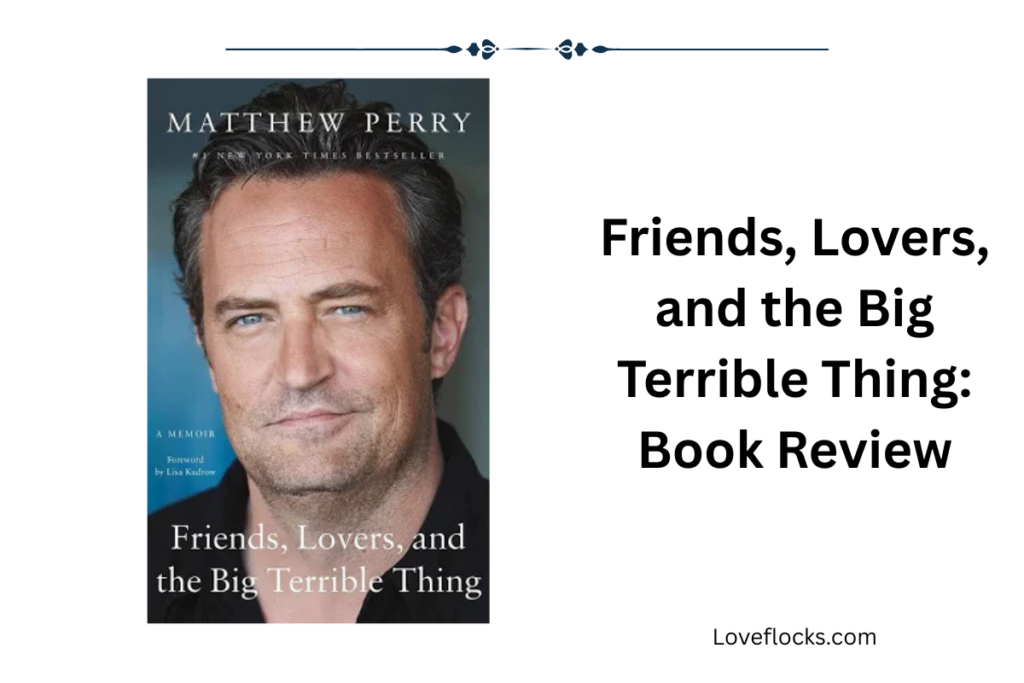
Friends, Lovers, and the Big Terrible Thing by Matthew Perry is a deeply personal exploration of relationships, intimacy, and the challenges of human connection. The book delves into the fragile boundaries between friendship and romance, illustrating how easily love can transform familiar bonds into emotional complexity. Through candid storytelling and reflective analysis, Perry invites readers to examine how friendships evolve, how romantic feelings emerge, and why some relationships lead to heartbreak—the “big terrible thing” that leaves lasting emotional impact.
The book also emphasizes self-reflection. By observing his own experiences, Perry demonstrates that personal growth often comes through discomfort and mistakes. Readers are encouraged to look inward, understand their desires and expectations, and learn from relationships that may have ended painfully. This approach makes the book not just a collection of stories, but a guide to emotional resilience and self-awareness.
Ultimately, Friends, Lovers, and the Big Terrible Thing speaks to anyone who has navigated the murky waters of love and friendship. It explores the tension between desire and friendship, intimacy and vulnerability, and attachment and independence. By addressing the complexity of human relationships with honesty and empathy, the book offers both validation and guidance for anyone confronting the emotional challenges of love and connection.
The Blurred Lines Between Friends and Lovers
Perry emphasizes that the transition from friendship to romance is both exhilarating and risky. Friendships provide trust and emotional safety, but when romantic feelings emerge, expectations and vulnerabilities increase.
The book highlights the challenges of maintaining a bond when roles shift, and how misunderstandings can quickly escalate into the “big terrible thing.” Perry encourages communication and clarity to navigate this delicate transition while preserving mutual respect and emotional well-being.
Understanding the Big Terrible Thing
The “big terrible thing” is the emotional tipping point—moments of heartbreak, betrayal, or conflict that redefine relationships. Perry examines why these moments occur, often due to miscommunication, mismatched expectations, or unspoken desires.
The book teaches that while heartbreak is painful, it also provides an opportunity for growth and self-awareness. By reflecting on these moments, readers learn how to process emotions constructively and protect themselves in future relationships.
Lessons on Communication and Boundaries
Healthy relationships require clear boundaries and honest communication. Perry underscores the importance of expressing needs, respecting personal space, and being aware of how actions affect others.
The book provides practical examples of how poor communication or boundary violations often lead to conflicts or misunderstandings. It encourages readers to set limits and engage in open dialogue to minimize unnecessary emotional strain.
Growth, Reflection, and Emotional Resilience
Ultimately, Perry presents relationships—both friendships and romances—as mirrors for personal growth. The book emphasizes learning from mistakes, embracing vulnerability, and developing emotional resilience. Readers are reminded that heartbreak, while difficult, is a powerful teacher.
By reflecting on past experiences, setting healthy boundaries, and approaching connections with empathy, individuals can cultivate deeper, more meaningful relationships in the future.
30 reflective tips or insights from the book, [current_date]
1. Friendship is the foundation of trust
Strong relationships begin with a foundation of trust, honesty, and shared experiences.
Friendship lays the groundwork for deeper connections, allowing love to grow without fear of betrayal.
2. Romantic feelings complicate friendship
When friendship evolves into romance, boundaries must be redefined.
Unspoken desires can strain bonds, so clarity is essential to prevent misunderstandings.
3. Communication prevents the big terrible thing
Open and honest communication is the key to avoiding heartbreak.
Discussing feelings early reduces the chance of emotional conflict later.
4. Boundaries protect both parties
Setting personal and relational boundaries maintains emotional safety.
Respecting limits helps both friends and lovers navigate transitions with care.
5. Heartbreak is part of growth
The “big terrible thing” teaches lessons about resilience and self-awareness.
Painful experiences often strengthen emotional intelligence and coping skills.
6. Vulnerability fosters intimacy
Being open about fears and desires deepens connection.
True closeness requires risk, but it also brings meaningful reward.
7. Unmet expectations cause conflict
Disappointment arises when expectations are not communicated clearly.
Discussing desires and limits early helps prevent emotional misunderstandings.
8. Timing matters in relationships
Rushing from friendship to romance can lead to regret and conflict.
Pacing relationships allows for emotional readiness and reflection.
9. Self-awareness strengthens connections
Understanding your own emotions and motives improves how you relate to others.
Self-reflection ensures you enter relationships with honesty and clarity.
10. Respect fosters trust
Mutual respect maintains healthy boundaries and emotional safety.
Even disagreements are easier to navigate when respect is prioritized.
11. Past experiences shape reactions
Awareness of past heartbreaks helps you respond rather than react emotionally.
Reflection allows you to avoid repeating patterns that caused pain before.
12. Emotional honesty is transformative
Sharing true feelings prevents misunderstandings and fosters trust.
Honesty allows both parties to make informed choices about the relationship.
13. Love and friendship require effort
Meaningful relationships demand attention, patience, and care.
Neglect can create gaps that eventually lead to the “big terrible thing.”
14. Clarity about intentions reduces conflict
Expressing whether you seek romance or friendship prevents mixed signals.
Clear intentions protect both parties from emotional disappointment.
15. Emotional boundaries are as important as physical ones
Protecting your heart is essential to prevent burnout or heartbreak.
Boundaries help maintain mental and emotional health in complex relationships.
16. Conflict is inevitable, but resolution matters
Handling disagreements constructively prevents escalation.
Learning to navigate arguments builds stronger, healthier connections.
17. Friendship can survive heartbreak
Even after romantic disappointment, friendships can endure with effort.
Mutual respect and communication help repair bonds after pain.
18. Self-love supports relational health
Valuing yourself ensures you do not rely solely on others for validation.
Healthy relationships start with a foundation of self-respect and care.
19. Letting go can be healing
Releasing unhealthy attachments allows emotional growth and renewal.
Sometimes ending a relationship is necessary for long-term well-being.
20. Awareness prevents repeating mistakes
Reflecting on past relational patterns helps you avoid repeating them.
Learning from experience is essential to cultivate healthier connections.
21. Emotions are valid, even when messy
It’s natural to feel sadness, confusion, or anger in relationships.
Acknowledging emotions allows you to process and move forward.
22. Timing of communication matters
Choosing when and how to discuss sensitive topics prevents unnecessary conflict.
Thoughtful communication fosters understanding and connection.
23. Vulnerability requires courage
Opening your heart risks pain but also allows deep intimacy.
Courageous vulnerability builds stronger bonds over time.
24. Forgiveness is a tool, not a weakness
Forgiving past mistakes enables relationships to heal and evolve.
Letting go of resentment prevents emotional stagnation.
25. Emotional independence strengthens love
Being whole on your own reduces codependency in relationships.
Self-reliance ensures you enter relationships from a place of strength.
26. Recognize toxic patterns early
Awareness prevents prolonged emotional harm in unhealthy relationships.
Identifying red flags allows you to protect yourself without regret.
27. Celebrate shared joy and connection
Focusing on positive moments strengthens bonds and builds resilience.
Shared experiences create memories that outweigh conflict and tension.
28. Emotional growth is ongoing
Every relationship, positive or painful, contributes to your development.
Life’s experiences shape your capacity to love and understand others.
29. Accept uncertainty in love
Not all relationships will last, and that is part of life’s journey.
Acceptance reduces suffering and fosters appreciation for meaningful moments.
30. The big terrible thing can transform you
Heartbreak and challenge, while painful, often catalyze growth, insight, and emotional maturity.
Embracing the lessons from difficult moments allows for deeper understanding and future happiness.
Conclusion
Relationships are among the most profound and challenging experiences we encounter in life. Friends, Lovers, and the Big Terrible Thing reminds us that love and friendship are intertwined, often complicated, and sometimes messy—but always meaningful. The 30 insights outlined above illustrate that navigating these connections requires patience, honesty, vulnerability, and self-awareness. From learning to set boundaries to embracing heartbreak as a catalyst for growth, the book encourages readers to approach relationships thoughtfully and intentionally. By reflecting on both successes and failures, we gain the wisdom to build healthier connections and protect our emotional well-being.
The “big terrible thing,” while painful, is not merely an obstacle—it is a teacher. Through heartbreak, miscommunication, or unmet expectations, we discover our strengths, resilience, and capacity for empathy. Every experience, whether joyful or challenging, contributes to emotional maturity and personal growth. Understanding the lessons hidden within these moments allows us to engage with future relationships more consciously, to love more fully, and to honor both our own needs and the needs of others.
Ultimately, the book and these reflections guide us toward balance in friendship and romance. They emphasize that meaningful relationships are grounded in respect, trust, communication, and emotional courage. By embracing vulnerability, learning from mistakes, and cultivating self-awareness, we can navigate the complexities of human connection with grace. The wisdom contained in Friends, Lovers, and the Big Terrible Thing is a reminder that while love may bring challenges, it also offers profound opportunities for joy, growth, and lasting fulfillment.