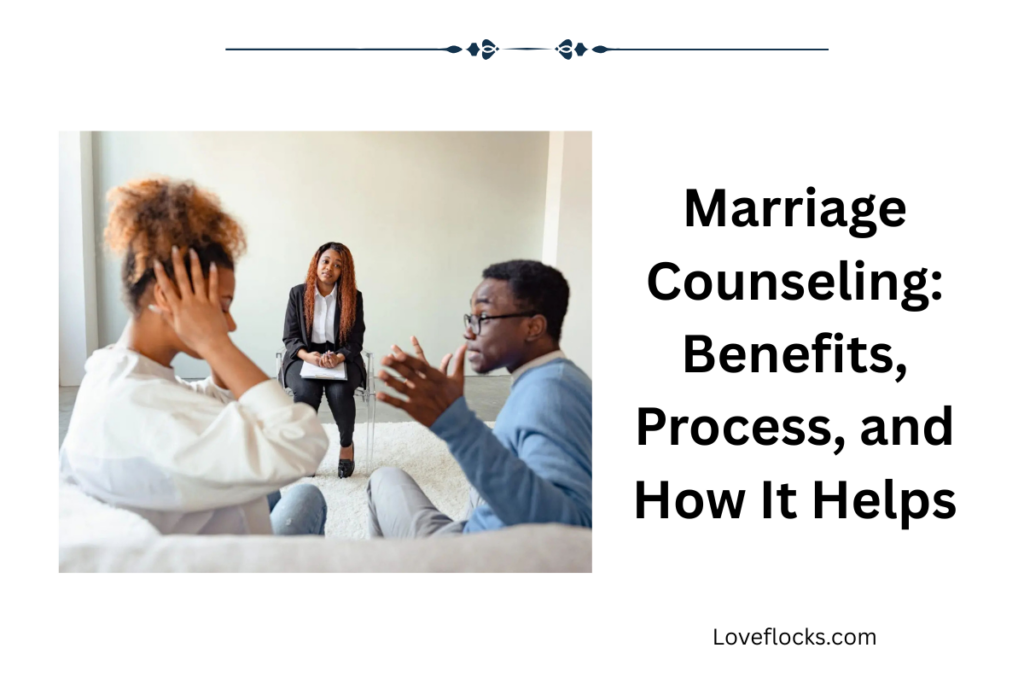
Marriage counselling is not a sign that a relationship has failed—it is a sign that a couple is willing to invest in healing, growth, and understanding. Every marriage experiences challenges, whether they come from communication breakdowns, unresolved conflict, emotional distance, trust issues, or life transitions. When these challenges go unaddressed, they can slowly weaken emotional connection and create patterns that feel difficult to escape.
Marriage counselling focuses on strengthening the relationship, not assigning blame. It helps couples recognize unhealthy patterns, rebuild emotional safety, and develop tools that support long-term connection. Whether a couple is navigating conflict, rebuilding trust, or simply wanting to improve intimacy, counselling offers guidance that can transform how partners relate to one another.
What Is Marriage Counselling?
Marriage counseling is a form of professional support designed to help couples improve their relationship. A trained counselor works with both partners to explore communication styles, emotional needs, conflict patterns, and unresolved issues that affect the marriage.
The goal of marriage counseling is not to determine who is right or wrong, but to help couples understand each other more clearly. Counseling sessions often focus on identifying recurring problems, improving emotional awareness, and learning practical skills that support healthier interactions.
Marriage counseling can address a wide range of concerns, including communication problems, trust issues, emotional distance, parenting stress, financial conflict, and major life changes. It provides structure and guidance that many couples struggle to achieve on their own.
Benefits of Marriage Counseling
One of the most significant benefits of marriage counselling is improved communication. Many conflicts persist not because of the issue itself, but because partners struggle to express their feelings or listen effectively. Counseling teaches couples how to communicate with clarity, empathy, and respect.
Marriage counseling also helps rebuild emotional connection. Over time, stress, routine, and unresolved conflict can create distance between partners. Counseling encourages emotional openness and vulnerability, helping couples reconnect on a deeper level.
Another major benefit is conflict resolution. Counseling equips couples with tools to manage disagreements constructively rather than destructively. Learning how to address conflict without escalation reduces resentment and strengthens trust.
When Marriage Counseling Is Most Helpful
Marriage counseling is helpful at many stages of a relationship. It can support couples experiencing ongoing conflict, emotional disconnection, or trust challenges. It is also beneficial during major life transitions such as parenthood, career changes, relocation, or loss.
Counseling is not only for struggling marriages. Many couples seek counseling to strengthen their bond, improve communication, or prevent future issues. Early intervention often leads to better outcomes because unhealthy patterns have not yet become deeply ingrained.
Importantly, marriage counseling works best when both partners are willing to participate honestly and commit to the process. Openness, patience, and consistency are key factors in achieving meaningful progress.
What to Expect During Marriage Counseling
Marriage counseling sessions typically involve open discussions guided by the counselor. Both partners are encouraged to share their perspectives while the counselor helps facilitate understanding and balance. Sessions may include exercises focused on communication, emotional awareness, and problem-solving.
Counselors may help couples identify patterns that contribute to conflict, such as avoidance, criticism, or emotional withdrawal. By recognizing these patterns, couples can learn healthier alternatives that support connection and respect.
Progress in marriage counseling takes time. Change does not happen overnight, but consistent effort and willingness to apply what is learned outside of sessions can lead to lasting improvement.
20 Steps to Prepare for Marriage Counseling
1. Accept counseling as support, not failure
“Seeking help is a sign of commitment, not weakness.”
Preparing begins with mindset. Counseling does not mean your marriage is broken beyond repair—it means you care enough to seek guidance. Viewing counseling as support helps reduce shame and defensiveness before sessions begin.
2. Commit to honesty with yourself
“Healing starts with self-truth.”
Before counseling, reflect on your own feelings, behaviors, and contributions to conflict. Honest self-awareness allows counseling to address real issues rather than surface arguments.
3. Let go of the idea of winning
“Understanding matters more than being right.”
Marriage counseling is not about proving a point. Entering sessions with a desire to understand rather than dominate creates emotional safety and progress.
4. Identify your personal goals
“Clarity gives counseling direction.”
Think about what you hope to gain—better communication, restored trust, emotional closeness, or conflict resolution. Clear goals help guide productive conversations.
5. Prepare to listen actively
“Listening is an act of love.”
Counseling requires listening without interruption or defensiveness. Preparing to truly hear your partner helps reduce tension and misunderstandings.
6. Acknowledge emotional readiness
“Readiness opens the door to change.”
Assess whether you are emotionally prepared to discuss difficult topics. Awareness of emotional limits allows sessions to move at a healthy pace.
7. Set realistic expectations
“Progress takes time.”
Counseling is a process, not a one-session solution. Preparing for gradual change prevents disappointment and frustration.
8. Agree on mutual effort
“Healing requires shared responsibility.”
Both partners must be willing to participate actively. Counseling works best when effort is balanced and consistent.
9. Reflect on recurring conflicts
“Patterns reveal deeper needs.”
Identify recurring issues rather than isolated arguments. This helps counselors address root causes rather than symptoms.
10. Practice emotional regulation
“Calm minds communicate better.”
Learning basic calming techniques before counseling helps prevent emotional overwhelm during sessions.
11. Prepare to take responsibility
“Growth begins with ownership.”
Counseling is most effective when both partners acknowledge their role in relational dynamics without blame.
12. Discuss boundaries before sessions
“Boundaries create safety.”
Agree on respectful communication rules, such as avoiding insults or emotional shutdowns, to maintain a productive environment.
13. Write down key concerns
“Preparation prevents avoidance.”
Writing concerns helps ensure important topics are addressed rather than avoided during sessions.
14. Be open to feedback
“Feedback is an opportunity, not an attack.”
Counselors may offer perspectives that challenge your viewpoint. Openness allows growth and insight.
15. Understand counseling confidentiality
“Safety encourages honesty.”
Knowing sessions are confidential helps both partners feel secure enough to share openly.
16. Avoid rehearsing arguments
“Counseling is for dialogue, not debate.”
Preparing speeches or defenses can block genuine communication. Enter sessions with openness instead.
17. Accept discomfort as part of growth
“Growth often feels uncomfortable.”
Emotional discomfort is normal in counseling. Accepting this prepares you to stay engaged rather than withdraw.
18. Prioritize consistency
“Consistency builds trust.”
Commit to attending sessions regularly and applying lessons outside counseling for meaningful progress.
19. Focus on the relationship, not just issues
“The goal is connection.”
Remember that counseling aims to strengthen the bond, not just resolve problems.
20. Enter counseling with hope
“Hope fuels healing.”
Believing improvement is possible creates emotional openness and motivation throughout the counseling journey.
Why Questions Are Central to Couples Counseling
Questions guide the counseling process by creating structure and focus. Instead of getting stuck in repetitive arguments, couples are encouraged to explore their emotions, communication patterns, and relationship history. Thoughtful questions help couples see each other’s perspectives more clearly.
Counseling questions also help identify patterns rather than isolated incidents. By examining how conflicts start, escalate, and resolve, couples gain insight into what keeps them stuck and what can help them move forward. This awareness is key to lasting change.
Most importantly, questions promote emotional safety. When asked in a supportive environment, they allow partners to express vulnerability without fear of judgment or dismissal.
Questions About Communication and Understanding
Many counseling sessions focus on how couples communicate. These questions help partners understand how their words, tone, and listening habits affect the relationship.
How do we usually communicate during conflict, and is it effective?
Do we feel heard and understood by each other?
What communication habits create distance between us?
How can we express our needs without blaming or criticizing?
What makes it hard for us to talk openly about difficult topics?
These questions highlight whether communication patterns support connection or contribute to misunderstanding and emotional disconnection.
Questions About Emotions, Needs, and Intimacy
Emotional awareness is a major focus in counseling. These questions explore feelings, vulnerability, and emotional closeness.
What emotions do we struggle to express to each other?
Do we feel emotionally safe in this relationship?
What needs do we feel are unmet right now?
How do we show affection and emotional support?
What helps us feel most loved and valued by each other?
These conversations often reveal emotional needs that were never clearly communicated, allowing partners to respond more intentionally.
Questions About Conflict, Trust, and Healing
Conflict and trust issues are common reasons couples seek counseling. These questions aim to uncover root causes and paths to repair.
What recurring conflicts keep coming up in our relationship?
What past hurts have not been fully resolved?
How do we handle disagreements when emotions run high?
Do we trust each other, and if not, why?
What would rebuilding trust look like for us?
Addressing these questions helps couples move beyond surface arguments and toward meaningful resolution and healing.
Questions About the Future and Relationship Goals
Counseling also looks forward, helping couples align their expectations and vision for the relationship.
What kind of relationship do we want to build together?
Are our values and long-term goals aligned?
What changes are we each willing to make for the relationship?
How do we support each other’s growth as individuals?
What does a healthy, fulfilling partnership look like to us?
These questions encourage couples to think beyond current challenges and focus on shared growth and direction.
20 Marriage Counseling Tips, [current_date]
1. Enter counseling with an open mind
“Growth begins where defensiveness ends.”
Approach counseling with curiosity rather than resistance. Being open to new perspectives allows meaningful change to take place.
2. Focus on understanding, not winning
“Connection matters more than being right.”
Counseling is not a debate. When couples prioritize understanding over arguments, communication becomes healthier and more productive.
3. Be honest, even when it feels uncomfortable
“Honesty creates clarity.”
Sharing real feelings—respectfully—helps the counselor address root issues rather than surface conflicts.
4. Listen without interrupting
“Listening is an act of respect.”
Allow your partner to finish speaking before responding. Feeling heard reduces defensiveness and builds trust.
5. Take responsibility for your role
“Healing starts with ownership.”
Acknowledging your own behaviors strengthens credibility and shows commitment to change.
6. Avoid blaming language
“Blame builds walls; accountability builds bridges.”
Use “I feel” statements instead of accusations to keep conversations constructive.
7. Be patient with the process
“Lasting change takes time.”
Counseling progress is gradual. Patience prevents frustration and unrealistic expectations.
8. Practice what you learn outside sessions
“Growth happens between sessions.”
Applying tools at home reinforces learning and accelerates improvement.
9. Respect session boundaries
“Structure creates safety.”
Stay focused during sessions and avoid bringing up sensitive topics in unhealthy ways afterward.
10. Stay emotionally regulated
“Calm communication builds clarity.”
If emotions rise, pause and breathe. Emotional regulation keeps discussions productive.
11. Be consistent with attendance
“Consistency builds momentum.”
Regular sessions allow patterns to be addressed effectively and prevent setbacks.
12. Trust the counselor’s guidance
“Neutral guidance brings balance.”
Counselors are trained to remain unbiased. Trusting the process enhances outcomes.
13. Allow vulnerability
“Vulnerability deepens connection.”
Opening up emotionally strengthens intimacy and emotional safety.
14. Avoid rehearsing arguments
“Counseling is dialogue, not defense.”
Let conversations flow naturally instead of planning responses in advance.
15. Focus on patterns, not incidents
“Patterns reveal deeper needs.”
Understanding recurring behaviors leads to lasting change.
16. Respect your partner’s pace
“Healing cannot be rushed.”
Everyone processes emotions differently. Patience builds trust.
17. Celebrate small improvements
“Progress deserves recognition.”
Acknowledging growth motivates continued effort.
18. Keep expectations realistic
“Counseling supports growth, not perfection.”
Expect improvement, not instant solutions.
19. Stay committed during difficult sessions
“Discomfort often signals growth.”
Challenging sessions often lead to breakthroughs.
20. Remember why you chose counseling
“Commitment fuels healing.”
Keeping your shared purpose in mind helps maintain motivation and hope.
Conclusion
Marriage counseling becomes most effective when couples approach it with humility, patience, and shared responsibility. The goal is not to eliminate conflict entirely, but to learn how to navigate it with understanding, respect, and emotional maturity. When couples commit to applying these tips, counseling transforms from a problem-solving tool into a pathway for deeper connection.
By listening more intentionally, communicating honestly, and remaining open to growth, couples create a safer emotional space where healing can occur. Counseling is not about changing who you are—it is about learning how to show up better for each other.
Ultimately, marriage counseling succeeds when both partners remain committed to the process, even when it feels uncomfortable. With consistency and care, counseling can strengthen trust, rebuild intimacy, and help couples create a healthier, more fulfilling marriage built on mutual understanding and lasting love.