Couples counselling is a powerful tool for partners who want to improve their relationship, overcome challenges, and deepen their emotional connection. Every relationship faces periods of tension, misunderstanding, or distance. Counselling offers a safe space to explore these challenges, communicate effectively, and learn practical strategies to strengthen the bond.
Through couples counselling, partners learn to express their feelings openly, listen with empathy, and address conflicts constructively. It is not a sign of weakness but a courageous step toward growth, understanding, and lasting love. Professional guidance helps couples identify patterns that may be damaging, recognize each other’s emotional needs, and develop strategies for healthier communication.
Understanding Couples Counseling
Couples counselling is designed to help partners understand the dynamics of their relationship and address unresolved issues. A skilled counsellor creates a neutral, supportive environment where each partner can express their thoughts and feelings without fear of judgement.
Counselling helps identify patterns of communication, recurring conflicts, and emotional triggers that may harm the relationship. It allows couples to develop new strategies for resolving disagreements and improving emotional intimacy.
Understanding the goals and methods of counselling is essential. It emphasizes collaboration, patience, and commitment, encouraging both partners to actively participate in strengthening the relationship.
Benefits of Couples Counseling
Engaging in counseling offers multiple benefits. It improves communication, helping partners articulate needs clearly while listening with empathy. Counseling enhances emotional understanding, promotes forgiveness, and encourages accountability.
It also helps couples rebuild trust after breaches or misunderstandings. Through guided conversations, partners learn to navigate challenges constructively, reducing resentment and fostering emotional safety.
Moreover, counseling provides tools for long-term relationship growth. It encourages emotional resilience, strengthens problem-solving skills, and deepens intimacy, ensuring that love continues to thrive even in difficult times.
Common Issues Addressed in Counseling
Couples counseling can address a variety of challenges, including communication breakdown, trust issues, infidelity, parenting disagreements, financial stress, and differences in life goals.
Counseling also helps with emotional disconnection, recurring arguments, or feelings of resentment. By bringing these issues into a safe space, partners gain clarity and insight into their behavior patterns and relational dynamics.
With guidance, couples can identify the root causes of their problems, develop healthier habits, and implement strategies that foster mutual respect, understanding, and cooperation.
Preparing for Successful Counseling
Successful counselling requires openness, honesty, and willingness to participate fully. Partners should approach sessions with a mindset of learning, not winning.
It is helpful to reflect on personal emotions, communication habits, and expectations before sessions. Setting clear goals for what each partner hopes to achieve ensures focused and productive discussions.
Consistency is key. Attending sessions regularly, practicing techniques suggested by the counselor, and continuing conversations outside of sessions are all essential for sustained growth and improved relational health.
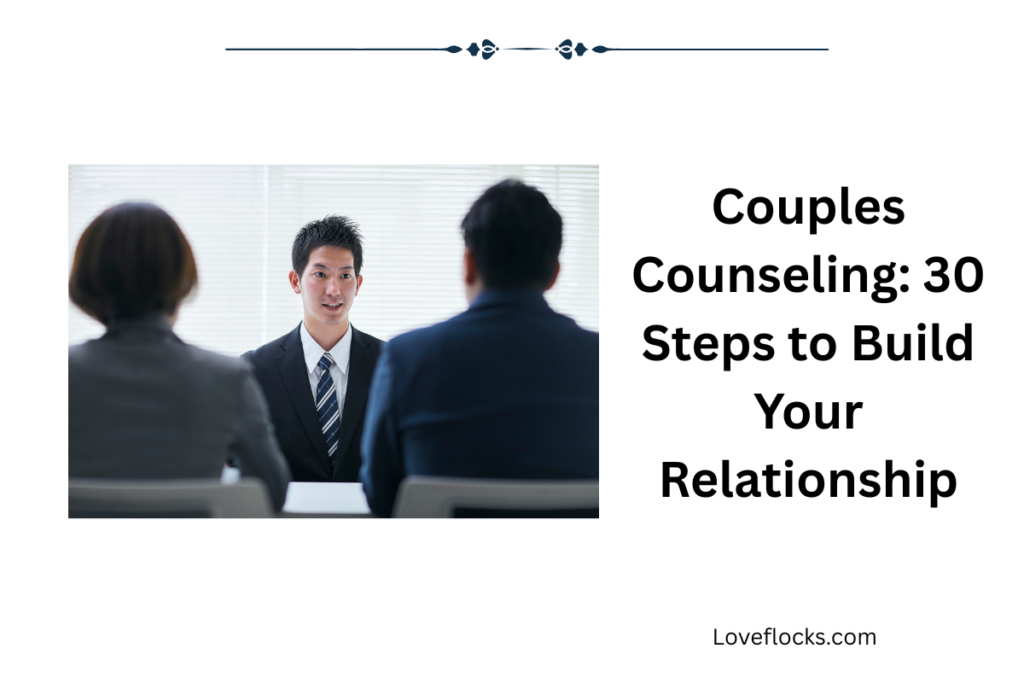
20 Steps for Couples Counseling, [current_date]
1. Commit to the process together
“True change begins when both hearts are willing to grow.”
Mutual commitment ensures both partners invest fully in improving communication, trust, and intimacy.
2. Be honest about your feelings
“Transparency clears the path for understanding and connection.”
Openly expressing emotions prevents misunderstandings and allows your partner to see your true heart.
3. Listen actively
“Listening is love in action.”
Empathetic listening fosters emotional safety and reassures your partner that their thoughts are valued.
4. Identify recurring patterns
“Awareness of habits creates opportunity for change.”
Understanding negative patterns helps break cycles of conflict and encourages healthier interaction.
5. Set relationship goals
“Shared visions guide love toward growth.”
Defining common goals aligns efforts and strengthens the connection by creating purpose in the partnership.
6. Practice empathy daily
“Walking in their shoes nurtures understanding.”
Regular empathy deepens emotional intimacy and helps navigate disagreements constructively.
7. Express appreciation
“Acknowledging kindness strengthens relational bonds.”
Recognizing small gestures fosters positivity and reinforces love in the relationship.
8. Take responsibility for mistakes
“Accountability builds trust and respect.”
Owning errors demonstrates maturity and commitment to relational growth.
9. Avoid blame games
“Constructive dialogue heals; accusations divide.”
Focusing on solutions rather than assigning blame reduces defensiveness and promotes understanding.
10. Use “I” statements
“Speaking from your heart prevents walls from forming.”
“I” statements express feelings without attacking the partner, fostering constructive communication.
11. Schedule regular check-ins
“Consistency nurtures growth and connection.”
Periodic discussions about emotions and goals strengthen understanding and intimacy.
12. Embrace vulnerability
“Opening your heart invites deeper love.”
Vulnerability allows partners to connect authentically and strengthens emotional bonds.
13. Respect each other’s space
“Boundaries protect love and foster trust.”
Giving space supports individuality while maintaining emotional connection.
14. Practice patience
“Healing and growth require time and understanding.”
Patience allows emotions to settle and promotes thoughtful responses rather than reactions.
15. Reinforce positive behaviors
“Celebrating progress motivates continued growth.”
Acknowledging improvements strengthens habits that promote healthy relationships.
16. Manage conflict respectfully
“Disagreements can be bridges, not barriers.”
Address conflicts with calmness, empathy, and solutions-focused approaches.
17. Build trust through consistency
“Daily reliability cultivates unwavering confidence.”
Small, consistent actions prove dependability and reinforce relational security.
18. Focus on solutions, not problems
“Shifting from blame to action creates progress.”
Solution-orientated thinking encourages collaboration and prevents stagnation in conflict.
19. Celebrate love daily
“Gratitude for your partner keeps connection alive.”
Daily acknowledgement of love and care strengthens the emotional bond.
20. Commit to lifelong growth together
“Love thrives when both hearts evolve in unity.”
Sustaining growth, learning, and shared experiences ensures lasting, resilient relationships.
21. Learn each other’s emotional triggers
“Understanding triggers prevents unnecessary emotional wounds.”
Recognizing what deeply affects your partner helps you respond with sensitivity rather than reaction. This awareness reduces conflict and builds emotional safety within the relationship.
22. Practice calm communication during conflict
“Peaceful tones create productive conversations.”
Couples counseling teaches that how you speak matters as much as what you say. Calm communication keeps discussions respectful and solution-focused, even during disagreements.
23. Replace assumptions with clarification
“Questions heal faster than conclusions.”
Assumptions often create misunderstandings. Seeking clarification fosters openness, honesty, and deeper emotional connection between partners.
24. Rebuild trust through shared routines
“Consistency strengthens emotional security.”
Simple routines like daily check-ins or shared activities create reliability, reinforcing trust and emotional closeness over time.
25. Address unresolved past conflicts
“Unspoken pain quietly weakens love.”
Counseling helps couples revisit unresolved issues safely, preventing emotional baggage from influencing present interactions.
26. Practice forgiveness intentionally
“Forgiveness frees the heart to love again.”
Forgiveness does not erase the past but allows healing to move forward. Intentional forgiveness reduces resentment and restores emotional balance.
27. Strengthen emotional intimacy
“Connection grows when hearts feel understood.”
Emotional intimacy deepens when couples share thoughts, fears, and dreams openly, fostering trust and closeness.
28. Support each other’s personal growth
“Individual growth strengthens shared love.”
Encouraging personal development builds confidence and enriches the relationship, allowing both partners to thrive together.
29. Celebrate progress, not perfection
“Growth deserves recognition, not pressure.”
Acknowledging improvement motivates continued effort and prevents discouragement during the counselling journey.
30. Commit to ongoing relationship maintenance
“Love flourishes when nurtured consistently.”
Couples counselling is most effective when its lessons are applied long-term, creating a relationship that remains strong, healthy, and emotionally fulfilling.