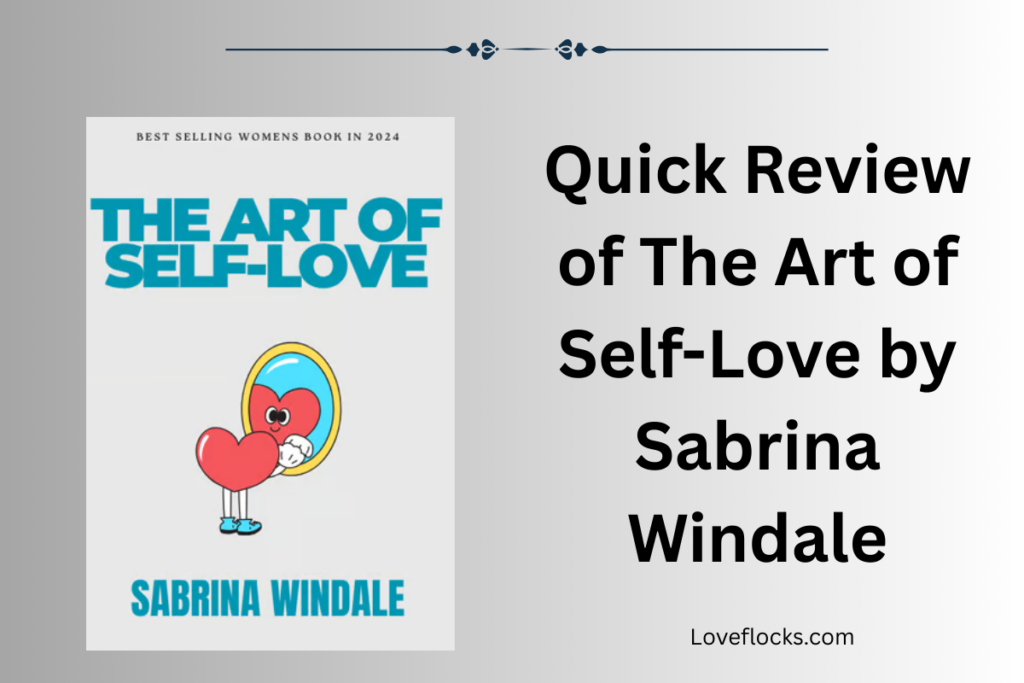
The Art of Self-Love by Sabrina Windale speaks to a quiet but deeply necessary truth: loving yourself is not selfish, dramatic, or indulgent—it is essential. In a world that constantly demands productivity, perfection, and external validation, this book offers a softer, more compassionate approach to healing and personal growth. Rather than presenting self-love as a destination, Windale frames it as an ongoing practice rooted in awareness, patience, and emotional honesty.
The book resonates especially with readers who feel emotionally exhausted, disconnected from themselves, or weighed down by self-criticism. Instead of forcing positivity, The Art of Self-Love gently guides readers toward understanding their emotions, honoring their boundaries, and rebuilding a healthier relationship with themselves. Its tone is calm, reflective, and affirming, making it accessible to anyone at any stage of their self-love journey.
The core message of The Art of Self-Love
One of the strongest themes in Sabrina Windale’s work is the idea that self-love begins with self-acceptance. The book encourages readers to stop waging war against themselves and instead cultivate compassion for their imperfections, past mistakes, and emotional struggles. This shift from self-criticism to self-understanding is presented as the foundation of true healing.
Windale also emphasizes that self-love is deeply connected to emotional awareness. Ignoring feelings, suppressing pain, or constantly pleasing others often leads to burnout and resentment. Through reflection and gentle reminders, the book encourages readers to listen inwardly and acknowledge emotions without judgment. This emotional honesty becomes a powerful act of self-respect.
Another key message is that self-love requires consistency, not perfection. Windale reminds readers that growth is nonlinear. Some days will feel empowering, while others may feel heavy. Self-love, in this sense, is about showing up for yourself even when motivation is low or confidence wavers.
How the book reframes healing and personal growth
Unlike traditional self-help books that focus heavily on achievement or transformation, The Art of Self-Love reframes growth as a process of unlearning. It challenges harmful beliefs such as worth being tied to productivity, appearance, or approval. By questioning these internalized pressures, readers begin to reclaim their sense of worth from within.
The book also reframes healing as something gentle rather than forceful. Healing is not portrayed as fixing what is “broken,” but as nurturing what has been neglected. This perspective helps readers approach their wounds with kindness instead of frustration. It creates emotional safety, which is essential for long-term growth.
Additionally, Windale highlights the importance of boundaries as an act of self-love. Saying no, protecting emotional energy, and choosing peace over validation are presented as powerful, healthy decisions—not selfish ones. This reframing helps readers redefine strength more sustainably.
Why The Art of Self-Love resonates with modern readers
Modern life often leaves little room for rest, reflection, or emotional processing. Many people feel disconnected from themselves while constantly meeting external demands. The Art of Self-Love resonates because it addresses this quiet exhaustion with empathy rather than pressure.
The book’s simplicity is one of its strengths. It does not overwhelm readers with rigid rules or unrealistic expectations. Instead, it offers reminders that feel personal and grounding. This makes it especially appealing to readers seeking emotional clarity rather than dramatic life overhauls.
Another reason the book connects deeply is its emphasis on self-compassion over comparison. In a social-media-driven world, constant comparison erodes self-esteem. Windale’s message gently redirects attention inward, helping readers focus on their own healing journey rather than measuring themselves against others.
Practical lessons readers can apply from the book
One of the most valuable takeaways from The Art of Self-Love is learning to speak to yourself with kindness. The way you internally respond to failure, disappointment, or vulnerability shapes your emotional health. Practicing gentler self-talk is a powerful daily habit encouraged throughout the book.
The book also teaches the importance of slowing down. Taking time to rest, reflect, and reconnect with yourself is framed as necessary, not lazy. This lesson is especially impactful for people who feel guilty about prioritizing their own well-being.
Finally, readers are reminded that self-love is not a one-time realization but a daily practice. Small acts—choosing peace, honoring emotions, setting boundaries—accumulate into deep inner confidence over time.
20 reflections on The Art of Self-Love by Sabrina Windale
1. Choosing yourself without guilt
Self-love begins when permission is no longer required.
Choosing yourself does not mean abandoning others; it means refusing to abandon your own needs. Many people are conditioned to associate self-care with selfishness, yet Windale reminds us that guilt-free self-choice is foundational to emotional health. When you prioritize your well-being, your energy becomes more sustainable and authentic. Over time, choosing yourself without guilt restores confidence, reduces burnout, and allows you to show up in life from a place of fullness rather than depletion.
2. Listening to your inner voice
The quiet voice within often knows what the noise around you does not.
Self-love deepens when you learn to trust your inner voice instead of constantly seeking external validation. Windale emphasizes that intuition is built through self-attention and honesty. When you pause to listen inwardly, you begin to recognize what feels aligned and what drains you. Over time, honoring your inner voice strengthens self-trust, reduces self-doubt, and helps you make decisions rooted in authenticity rather than fear.
3. Setting boundaries as an act of love
Boundaries protect the love you are learning to give yourself.
Boundaries are not walls; they are expressions of self-respect. Windale reframes boundaries as a compassionate practice rather than a defensive one. By clearly defining what is acceptable and what is not, you teach others how to treat you while honoring your emotional limits. Over time, healthy boundaries reduce resentment, preserve emotional energy, and reinforce the belief that your needs matter.
4. Releasing the need for external approval
Freedom begins when approval is no longer borrowed from others.
Chasing approval often leads to self-abandonment. Windale encourages readers to recognize how deeply approval-seeking can distort identity. When your worth depends on others’ opinions, peace becomes fragile. Letting go of this need allows self-worth to grow from within. Over time, internal validation brings emotional stability, confidence, and the courage to live truthfully.
5. Treating yourself with compassion
You deserve the kindness you so freely give away.
Self-compassion replaces harsh self-criticism with understanding. Windale reminds us that mistakes are part of being human, not proof of failure. When you respond to yourself with gentleness, healing accelerates. Over time, compassion softens shame, nurtures resilience, and creates a safer inner environment where growth can occur.
6. Letting rest be productive
Rest is not laziness; it is restoration.
In a culture obsessed with productivity, rest often feels undeserved. Windale reframes rest as an essential component of self-love. When rest is honored, clarity and creativity return. Over time, allowing rest without guilt prevents exhaustion, improves emotional regulation, and reinforces the truth that worth is not measured by output.
7. Accepting yourself as you are
Wholeness begins where resistance ends.
Self-acceptance does not mean giving up on growth; it means releasing self-rejection. Windale highlights how constant self-criticism delays healing. When you accept yourself fully, change becomes gentler and more sustainable. Over time, acceptance nurtures peace, reduces inner conflict, and allows growth to emerge naturally.
8. Honoring emotional honesty
Your feelings deserve truth, not suppression.
Ignoring emotions does not make them disappear; it deepens their impact. Windale encourages emotional honesty as a form of self-respect. When emotions are acknowledged, they can be processed rather than stored. Over time, emotional honesty improves mental clarity, reduces anxiety, and strengthens emotional intelligence.
9. Rewriting your inner dialogue
The voice you speak to yourself with shapes your reality.
Negative self-talk can quietly sabotage self-worth. Windale urges readers to notice and gently reshape their inner language. Words repeated internally become beliefs. Over time, kinder self-talk fosters confidence, emotional safety, and a more empowering self-image.
10. Detaching from comparison
Your journey was never meant to be measured against another.
Comparison distracts from personal growth and fuels dissatisfaction. Windale reminds us that each path unfolds differently. When comparison is released, focus returns inward. Over time, detachment from comparison nurtures gratitude, self-contentment, and authentic progress.
11. Allowing yourself to change
You are allowed to outgrow who you once were.
Growth often requires releasing old identities. Windale emphasizes that change is not betrayal of the past but alignment with the present. When you allow evolution, you honor your current needs. Over time, embracing change builds confidence and emotional flexibility.
12. Letting go of perfectionism
Perfectionism delays the joy of being human.
Perfectionism often masks fear of rejection. Windale encourages embracing imperfection as a gateway to freedom. When perfection is released, creativity and authenticity flourish. Over time, letting go of perfectionism reduces anxiety and increases self-acceptance.
13. Creating emotional safety within
Safety begins when you stop being at war with yourself.
Internal conflict creates emotional instability. Windale highlights the importance of becoming your own safe space. When self-judgment softens, emotional healing deepens. Over time, inner safety fosters resilience and self-trust.
14. Forgiving yourself gently
Forgiveness frees the heart from carrying yesterday.
Self-forgiveness is often harder than forgiving others. Windale reminds readers that growth requires grace. When you forgive yourself, emotional weight lifts. Over time, forgiveness restores peace and renews self-respect.
15. Honoring your emotional limits
Limits are wisdom, not weakness.
Ignoring emotional limits leads to burnout. Windale emphasizes listening to emotional capacity with honesty. When limits are respected, balance is restored. Over time, honoring limits protects mental health and preserves emotional energy.
16. Embracing solitude without loneliness
Solitude becomes sacred when you feel at home within yourself.
Being alone does not have to mean being lonely. Windale reframes solitude as an opportunity for reconnection. When solitude is embraced, self-awareness deepens. Over time, comfort with solitude strengthens independence and emotional maturity.
17. Letting go of emotional baggage
Healing begins when you stop carrying what no longer serves you.
Unresolved emotional baggage shapes present reactions. Windale encourages conscious release through awareness and compassion. Letting go creates emotional space. Over time, release brings clarity, peace, and renewed emotional freedom.
18. Trusting your healing process
Healing unfolds at the pace of honesty.
Healing is rarely linear. Windale reminds readers to trust timing rather than rush progress. When patience replaces pressure, growth feels safer. Over time, trusting the process builds resilience and self-faith.
19. Allowing joy without justification
Joy does not need permission to exist.
Many delay joy until conditions feel perfect. Windale challenges this mindset by affirming joy as a right. When joy is allowed freely, emotional lightness returns. Over time, joy strengthens gratitude and emotional balance.
20. Becoming your own source of love
The deepest love is the one that remains when everything else falls away.
True self-love is not dependent on circumstances. Windale concludes with the reminder that becoming your own source of love creates unshakable stability. When love is rooted within, relationships become healthier. Over time, self-sourced love fosters peace, confidence, and emotional wholeness.